

Thank you for Subscribing to Eldercare Review Weekly Brief

Asbury Communities
Sarah (Schneider) DiStefano, Resident Service Support Coordinator
Owning the Aging Journey One Decision at a Time
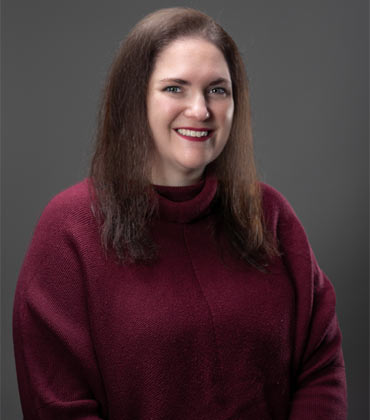
Sarah (Schneider) DiStefano
Sarah DiStefano is a seasoned social worker with over 15 years of experience across diverse care settings, including skilled nursing homes, home healthcare, rehabilitation hospitals and youth services. As Resident Service Support Coordinator at Asbury Communities, she is a passionate advocate for empowering individuals through life’s transitions with dignity and support.
Open Conversations Create Empowered Aging Journeys Change can be a good or bad thing, but ignored change will never end well. One thing is for sure change is inevitable! Which begs the question, why is it so difficult and jarring when it happens? Why is accepting the knowledge of change in ourselves or others so difficult to recognize? Scientifically, there is the reason that as we age, our brains become less “plastic” or, literally, less able to adapt to new situations. More importantly, there is the emotional reasoning that accepting change is accepting the potential loss of something. Retirement is connected to the loss of one’s career or potentially, a purpose. Physical decline is connected to the loss of independence or dignity. As we age, we build identities, habits and values. Any change that occurs when we age threatens and contradicts all of those. Typically, these changes give us no control or say in how that change occurs. However, by accepting the inevitable change, we give ourselves some control to decide the consequences. I believe control is the most important thing to rely on accepting change gives us the ability to have some control over the outcome! Yes, read that again you can have some control over the outcome of change. The sooner we can accept that change is happening, the sooner we can retake control of the narrative. Accepting change whether that is a physical change, personal life change or health change is so important. Early Support Is the Key to Maintaining Control When we start to realize we need additional physical help or recognize when our cognition is starting to decline, the best response is to reach out for support. Hire caregivers to maintain your current living standard or ask family members to support you with tasks that are becoming too difficult, such as paying bills, managing medications or scheduling appointments. Talk with your physician about preventative medications or ask for suggestions for continued support. There is nothing wrong with setting things up and getting support while YOU still control the narrative. As we age, we take the time to get support to complete items such as a last will & testament, power of attorneys and other advanced directives. Why not continue this decision-making in how you receive support and care through your changing health? When we do not reach out for initial support, change is often forced by what is typically called the “event.” This is when something happens and there is no longer time to consider all the options and make a decision. Your safety becomes the deciding factor and that may result in you being placed in a setting that is not your first choice. There are no right answers for when to add these additional supports into your life or when to maybe transition into a community for support, but waiting is never the right decision. There are things that no one wants to talk about. Getting older and the changes that come with that is one of them. However, I promise that not having the ability to make your own decision for how you transition through your aging life, how you receive care and support and where you eventually spend the remainder of your days will be the biggest regret you may have. I hope that this essay gives you the encouragement to start a conversation with your loved ones, your physician and yourself! Never be afraid to reach out for support. Things to Consider for Support Support groups in your local area for any health changes you may be having. Physician’s offices can typically provide a list of these local groups for you. Consider completing a peace of mind planner or life planner. These planners can be found at a local bookstore or on Amazon. They help you delve deeper than your Advanced Directive forms. They discuss banking information, passwords, personal wishes, contact information, caregiver or hospice preferences and much more. Tour your local communities. Look at all levels of care as well, including independent living apartments, personal care, assisted living and skilled nursing facilities. Talk with caregiving or even hospice agencies in your area to get to know them. Agencies typically offer similar things, but connecting with the company and the people will make taking the next steps easier! Again, your physician’s office may have a list of providers to help make this easier for you.The articles from these contributors are based on their personal expertise and viewpoints, and do not necessarily reflect the opinions of their employers or affiliated organizations.
